
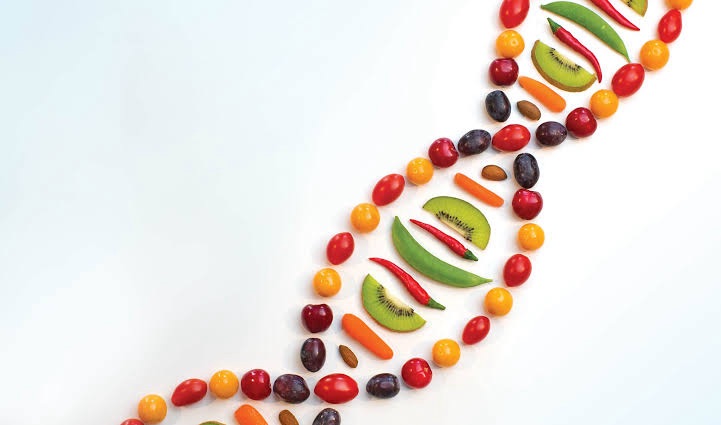
Personalized nutrition, a growing field in health and wellness, seeks to design individualized dietary plans based on a person’s genetic makeup, microbiome, and lifestyle. Unlike traditional one-size-fits-all dietary recommendations, this approach takes into account the unique biological factors that influence how people process and respond to different foods. By leveraging advances in genomics, microbiome research, and data analysis, personalized nutrition aims to optimize health, prevent disease, and improve overall well-being.
One of the key aspects of personalized nutrition is the role of genetics. Research has shown that genetic variations can affect how individuals metabolize nutrients, absorb vitamins, and process fats and carbohydrates. For example, some people may have a genetic predisposition to absorb more cholesterol from their diet, increasing their risk of heart disease, while others may metabolize caffeine differently, influencing their tolerance for coffee. By analyzing DNA through genetic testing, personalized nutrition helps to tailor diet recommendations to better suit an individual’s genetic profile.
The human microbiome, the trillions of microorganisms living in the gut, also plays a critical role in personalized nutrition. The composition of the gut microbiome can significantly impact digestion, nutrient absorption, and even weight management. Studies have linked specific bacterial strains to better outcomes in areas like blood sugar regulation and inflammation reduction. Personalized nutrition uses microbiome data to recommend diets that promote a healthy balance of gut bacteria, which may enhance digestion and overall health.
The process typically begins with a genetic test, such as a saliva or blood sample, along with stool analysis to map an individual’s microbiome. The collected data is then analyzed to identify specific dietary needs. For instance, someone with a genetic variation affecting vitamin D absorption might be advised to increase their intake of foods rich in the vitamin or take supplements. Similarly, microbiome analysis could suggest a diet rich in fiber or probiotics to foster beneficial gut bacteria.
The goal of personalized nutrition is to provide a more effective approach to healthy eating, helping individuals achieve weight management, reduce the risk of chronic diseases like diabetes or heart disease, and improve digestive health. It also offers the potential to mitigate the trial-and-error process often associated with following generalized diet plans.
While still in its early stages, personalized nutrition is gaining traction as a promising tool for improving health outcomes. As research and technology evolve, personalized diets based on genetic and microbiome data could become a standard approach to nutrition, helping people make more informed and effective choices about what they eat.

