
In the rapidly evolving field of healthcare, biosensors are emerging as powerful tools for early disease detection and real-time health monitoring. These innovative devices, which can measure biological signals, are revolutionizing how we understand and manage our health. As the demand for personalized medicine and proactive healthcare increases, biosensors are positioned to play a crucial role in the future of diagnostics and patient care.
Understanding Biosensors
Biosensors are analytical devices that convert biological responses into measurable signals. They typically consist of a biological element (such as enzymes, antibodies, or nucleic acids) and a transducer that translates the biological reaction into an electrical signal. This enables the real-time monitoring of various health indicators, such as glucose levels, hormone levels, and markers for infections or diseases.
The appeal of biosensors lies in their ability to provide quick, accurate, and often non-invasive measurements. This capability is particularly important for early disease detection, where timely intervention can significantly improve patient outcomes.
Innovations Driving Biosensor Technology
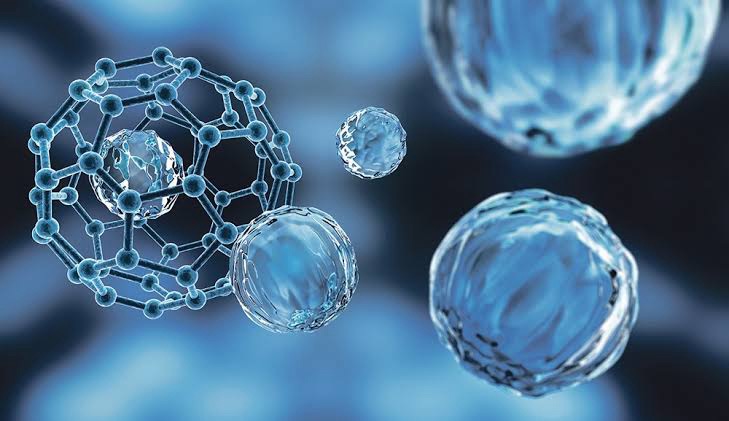
Recent advancements in materials science, nanotechnology, and microelectronics have propelled the development of more sophisticated biosensors. Researchers are exploring a range of materials, including graphene, carbon nanotubes, and other nanomaterials, to enhance the sensitivity and specificity of these devices.
One notable innovation is the development of wearable biosensors. These devices, which can be integrated into everyday items like smartwatches or fitness bands, continuously monitor vital signs such as heart rate, temperature, and even stress levels. For instance, companies like Apple and Fitbit have already incorporated basic health monitoring features into their devices, allowing users to track their health metrics in real-time.
Another significant breakthrough is the use of biosensors in point-of-care testing. These portable devices allow for rapid diagnostics in a variety of settings, from hospitals to remote locations. For example, researchers have developed biosensors capable of detecting biomarkers for diseases such as cancer or infections within minutes, enabling quicker clinical decisions and treatment initiation.
Applications in Early Disease Detection
Biosensors are particularly promising in the realm of early disease detection. Conditions like diabetes, cardiovascular diseases, and various cancers often benefit from early intervention, which can be facilitated by continuous health monitoring.
Diabetes Management
One of the most common applications of biosensors is in diabetes management. Continuous glucose monitoring (CGM) systems use biosensors to provide real-time data on glucose levels, allowing individuals with diabetes to make informed decisions about their insulin use and dietary choices. These devices significantly reduce the risk of complications associated with poorly managed diabetes, such as neuropathy or kidney damage.
Cancer Detection
In the fight against cancer, biosensors are proving to be invaluable. Research is ongoing into biosensors that can detect circulating tumor DNA (ctDNA) in blood samples, which can indicate the presence of cancer at an early stage. This non-invasive method not only provides a potential diagnostic tool but also allows for monitoring treatment responses and detecting recurrences.
Infectious Diseases
The COVID-19 pandemic highlighted the urgent need for rapid testing and monitoring of infectious diseases. Biosensors capable of detecting pathogens in real time have been developed, offering a quick and efficient way to identify infections. For example, certain biosensors can detect viral

