
In the ever-evolving landscape of cancer treatment, immunotherapy has emerged as a beacon of hope for patients and healthcare professionals alike. This innovative approach harnesses the body’s immune system to identify and destroy cancer cells, offering a new lease on life for many who previously had limited options. Recent breakthroughs in cancer immunotherapy are paving the way for more effective treatments, improving outcomes, and reshaping the future of oncology.
Understanding Immunotherapy
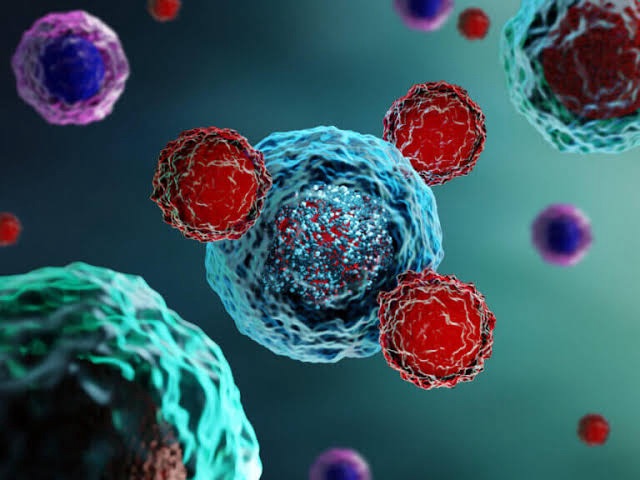
At its core, immunotherapy involves stimulating or enhancing the immune system’s natural ability to fight cancer. Unlike traditional treatments, such as chemotherapy and radiation, which directly target cancer cells, immunotherapy works by empowering the immune system to recognize and attack these cells as foreign invaders. This paradigm shift in treatment strategies has given rise to various forms of immunotherapy, including checkpoint inhibitors, CAR T-cell therapy, and monoclonal antibodies.
Checkpoint Inhibitors
One of the most significant advancements in cancer immunotherapy has been the development of checkpoint inhibitors. These drugs work by blocking proteins that prevent immune cells from attacking cancer cells. PD-1 and CTLA-4 are two critical checkpoints that cancer cells exploit to evade immune detection. By inhibiting these proteins, drugs like pembrolizumab (Keytruda) and nivolumab (Opdivo) have demonstrated remarkable efficacy in treating melanoma, lung cancer, and other malignancies.
Recent studies have shown that checkpoint inhibitors can lead to durable responses, with some patients experiencing long-lasting remission. For instance, a groundbreaking trial published in The New England Journal of Medicine found that patients with advanced melanoma treated with a combination of nivolumab and ipilimumab (Yervoy) had a significantly higher response rate compared to those receiving traditional therapies.
CAR T-Cell Therapy
Chimeric Antigen Receptor (CAR) T-cell therapy represents another revolutionary approach in immunotherapy. This personalized treatment involves modifying a patient’s T cells—an essential component of the immune system—to recognize and attack specific cancer cells. Once modified, these CAR T cells are reintroduced into the patient’s bloodstream, where they seek out and destroy cancerous cells.
CAR T-cell therapy has shown remarkable success in treating certain types of blood cancers, particularly acute lymphoblastic leukemia (ALL) and some types of non-Hodgkin lymphoma. The FDA has approved several CAR T-cell therapies, leading to significant improvements in survival rates for patients who had exhausted other treatment options. Ongoing research aims to expand the applicability of CAR T-cell therapy to solid tumors, which have historically been more challenging to treat.
The Promise of Combination Therapies
While individual immunotherapy treatments have demonstrated impressive results, recent findings suggest that combining various approaches can enhance efficacy further. Researchers are exploring the potential of combining checkpoint inhibitors with other therapies, including chemotherapy, targeted therapy, and radiation.
For instance, studies have indicated that combining checkpoint inhibitors with chemotherapy can lead to improved outcomes in patients with non-small cell lung cancer. Similarly, ongoing clinical trials are investigating the use of CAR T-cell therapy in conjunction with checkpoint inhibitors, aiming to create a multifaceted approach to combatting cancer.
Addressing Challenges and Side Effects
Despite the significant advancements in cancer immunotherapy, challenges remain. Not all patients respond to immunotherapy, and identifying biomarkers to predict which patients will benefit the most is an area of active research. Additionally, immunotherapy can lead to unique side effects, including immune-related adverse events, where the immune system mistakenly attacks healthy tissues.
To address these concerns, ongoing research is focused on understanding the underlying mechanisms of immune response and identifying biomarkers that can guide treatment decisions. The ultimate goal is to personalize immunotherapy, ensuring that patients receive the most effective and least toxic treatment for their specific cancer type.
The Future of Cancer Immunotherapy
The future of cancer immunotherapy looks promising, with ongoing research and clinical trials paving the way for new breakthroughs. Scientists are exploring innovative strategies to enhance the immune response, including the development of cancer vaccines, oncolytic viruses, and targeted therapies that aim to prime the immune system.
Additionally, the integration of artificial intelligence (AI) and machine learning into oncology is revolutionizing how researchers approach cancer treatment. AI algorithms are being developed to analyze vast datasets, enabling the identification of potential immunotherapy targets and predicting patient responses.
As these advancements unfold, the potential for immunotherapy to transform cancer treatment continues to grow. With the promise of improved efficacy, personalized approaches, and a deeper understanding of the immune system, cancer immunotherapy represents a significant leap forward in the battle against cancer.
Conclusion
Cancer immunotherapy is at the forefront of medical innovation, offering hope to millions of patients worldwide. With recent breakthroughs in checkpoint inhibitors, CAR T-cell therapy, and combination therapies, the field is rapidly evolving, paving the way for more effective treatments and improved patient outcomes. As researchers continue to unlock the mysteries of the immune system, the future of cancer treatment holds the promise of turning once-terminal diagnoses into manageable chronic conditions, significantly enhancing the quality of life for cancer patients everywhere. The journey of harnessing the immune system to fight cancer is just beginning, and its potential impact is limitless.

