
As technology continues to evolve, so does the landscape of music education. The traditional classroom model is being transformed, offering innovative ways for students to learn, create, and collaborate, regardless of their location. In 2024, music education is not just about learning an instrument; it’s about embracing a digital ecosystem that fosters creativity and accessibility.
Online platforms and apps have revolutionized how students engage with music. Virtual lessons allow learners to connect with world-class instructors from anywhere, breaking down geographical barriers. Interactive tools like ear training apps and composition software enable students to practice and compose in real-time, enhancing their skills with immediate feedback.
Moreover, social media has become a vital resource for aspiring musicians. Platforms like TikTok and Instagram serve as both educational spaces and performance stages, encouraging students to showcase their work while learning from a diverse community of creators. This democratization of music education means that knowledge is no longer confined to institutions; it can be found and shared globally.
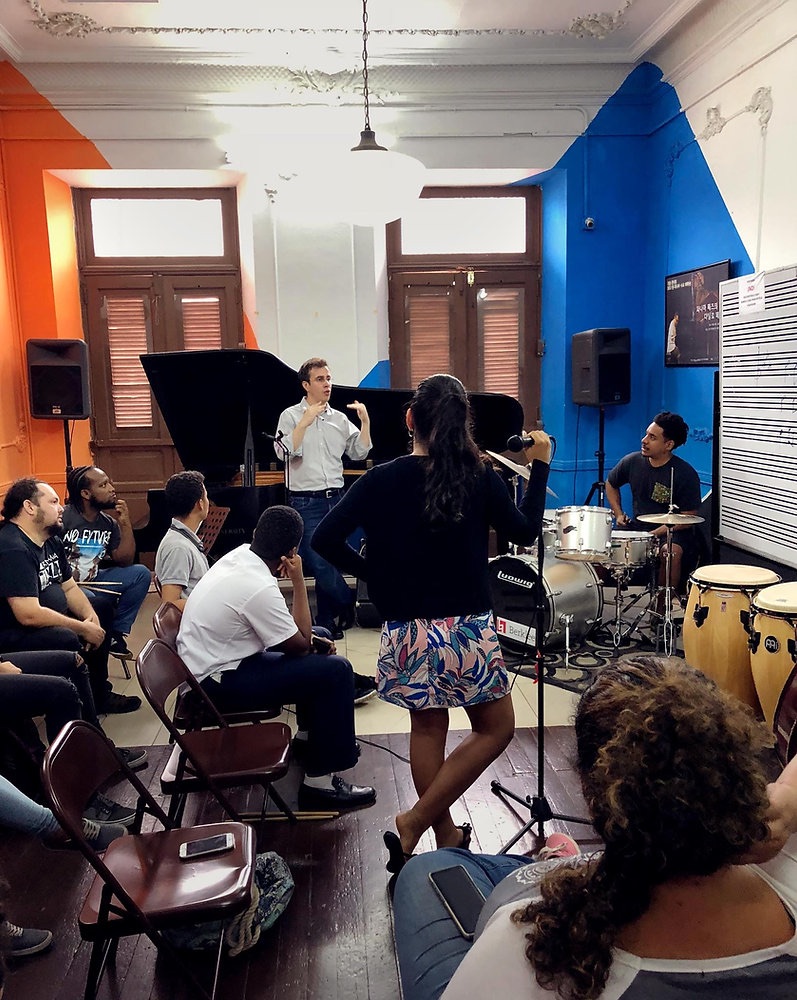
However, the shift to digital learning also presents challenges. While technology can enhance education, it can’t replace the personal connection of in-person instruction. Educators are tasked with finding the right balance, integrating technology while preserving the social and emotional aspects of learning music.
In response, many music schools are adopting hybrid models, combining online and in-person experiences. This approach provides flexibility and caters to various learning styles, ensuring that students receive a well-rounded education.
As we move forward, the future of music education lies in its ability to adapt and innovate. By harnessing technology and embracing new pedagogical methods, music education can continue to inspire the next generation of musicians in a rapidly changing world.

